
Rural Homelessness in Alberta
- Alberta Homeless Foundation

- 1 day ago
- 4 min read
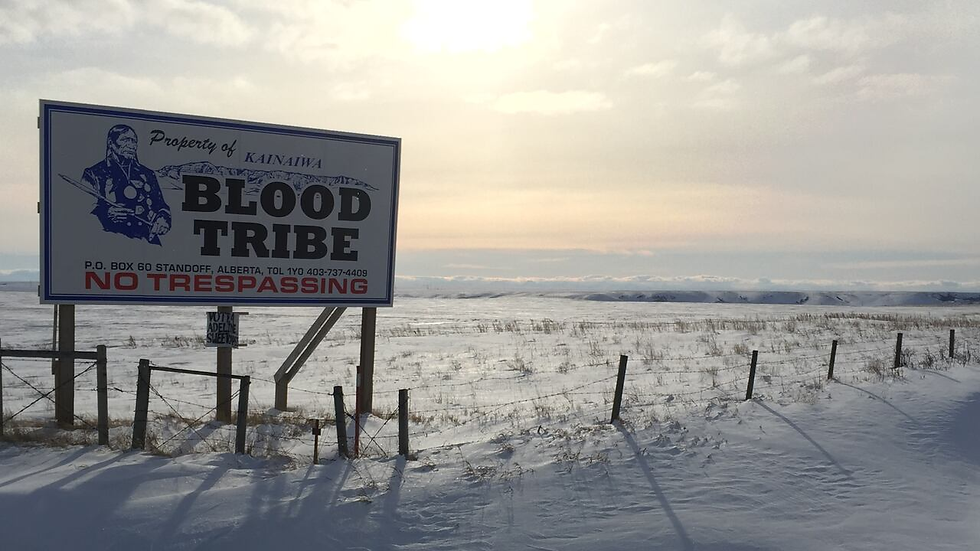
When people think of homelessness, they often think of large cities with visible encampments, crowded shelters, or individuals sleeping on busy streets. While homelessness is continues to remain a significant issue in urban centers, it is important to recognize that homelessness also exists in rural communities across Alberta. Homelessness in smaller towns and rural areas is often less visible, making it easier to overlook despite its serious impact on individuals, families, and communities.
Rural homelessness presents unique challenges that differ from those experienced in cities including limited housing options, fewer support services, transportation barriers, and geographic isolation which can make it difficult for individuals to find stable housing and access the help they need. Understanding rural homelessness is essential to creating effective solutions and ensuring that all Albertans have access to safe and affordable housing.
What is Rural Homelessness?
Rural homelessness refers to homelessness experienced in small towns, rural municipalities, and remote communities. Unlike urban homelessness, which is often more visible, rural homelessness can take many hidden forms.
Unhoused individuals in rural areas may temporarily stay with friends or family members, move frequently between households, sleep in vehicles, live in motels, or remain in unsafe and overcrowded housing situations. Some individuals may stay in abandoned buildings or temporary structures that are not intended for long-term stays.
Since many unhoused individuals in rural communities are not sleeping on the streets, the problem can be difficult to identify and measure. This often leads to the misconception that homelessness is primarily an urban issue when in reality, housing insecurity affects communities throughout Alberta.
Why Rural Homelessness Often Goes Unnoticed
One of the biggest challenges surrounding rural homelessness is its invisibility. In larger cities, homelessness is often more apparent because shelters, outreach programs, and public spaces bring the issue into public view. In contrast, rural communities tend to have smaller populations and fewer public gathering spaces. As a result, these unhoused individuals may remain hidden from public attention. Some may be sleeping in their vehicle, staying temporarily with relatives, or moving between friends' homes without appearing visibly homeless. This concept known as “hidden homelessness” makes it difficult to fully understand the scale of the problem.
Additionally, many rural communities lack the resources to conduct regular homelessness counts or collect comprehensive data. Without accurate information, it can be challenging to secure funding and develop programs that address local needs.
Unique Challenges in Rural Communities
Individuals experiencing homelessness in rural Alberta often face barriers that differ significantly from those seen in urban areas.
One major challenge is the shortage of affordable housing. Many small communities have limited rental options, and available housing may be expensive, outdated, or in poor condition. When housing is unavailable or unaffordable, individuals may have few alternatives.
Another challenge is the access to emergency shelters. While larger cities often have multiple shelters and support organizations, many rural communities have no shelter at all. Unhoused individuals may need to travel long distances to access emergency accommodations, which can be difficult without reliable transportation.
Transportation itself is another significant barrier. Public transit systems are limited or nonexistent in many rural areas. Without access to a vehicle, individuals may struggle to reach employment opportunities, healthcare appointments, social services, or housing supports.
Healthcare and mental health services can also be difficult to access. Rural communities may have fewer healthcare providers and longer wait times, creating additional obstacles for individuals who require support.
The Impact on Individuals and Families
Housing instability can affect every aspect of a person's life. For individuals experiencing rural homelessness, the consequences often go beyond the immediate need for shelter.
Employment can become difficult to maintain when stable housing is unavailable. Without a permanent address, reliable transportation, or access to communication services, securing and keeping a job becomes more challenging.
Children and youth experiencing housing instability may face disruptions in their education. Frequent moves can affect attendance, academic performance, and social development. Families experiencing homelessness often encounter significant stress as they work to meet basic needs while maintaining stability for their children.
Physical and mental health can also suffer because living in unstable or unsafe conditions may increase stress, anxiety, depression, and other health concerns. For seniors, people with disabilities, and individuals with chronic health conditions, housing insecurity can create additional risks and vulnerabilities.
Indigenous communities are also disproportionately affected by homelessness across Canada, including in rural and remote regions. Historical and systemic factors continue to contribute to housing challenges for many Indigenous individuals and families.
Current Efforts and Community Support
Despite these challenges, organizations and communities across Alberta are working to address rural homelessness. Local nonprofits, municipalities, outreach teams, housing organizations, and volunteers play an important role in supporting vulnerable populations.
Programs may include emergency financial assistance, supportive housing initiatives, food security programs, outreach services, and connections to healthcare and social supports. Community partnerships often help fill service gaps by bringing together local governments, businesses, faith groups, and nonprofit organizations.
At Alberta Homeless Foundation, we recognize that homelessness affects individuals in communities of all sizes. Raising awareness about rural homelessness is an important step towards ensuring that individuals outside major urban centers receive the support and attention they deserve.
The Need for Long-Term Solutions
While emergency support is essential, long-term solutions are necessary to address the root causes of rural homelessness. Expanding affordable housing options, improving access to healthcare and mental health services, increasing transportation supports, and strengthening community partnerships can all contribute to more stable housing outcomes.
Addressing homelessness also requires collaboration between governments, nonprofit organizations, community leaders, and residents. By working together, communities can create systems that prevent homelessness before it occurs and provide effective support when housing crises arise.


Comments